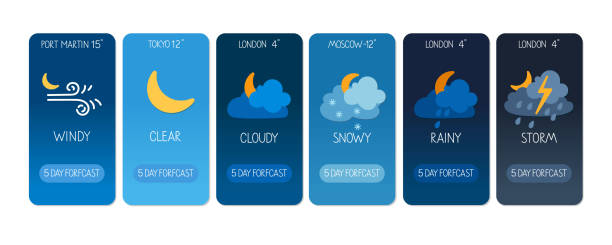
Weather forecasts play a crucial role in modern life. From planning daily activities to preparing for natural disasters, accurate weather information helps individuals, businesses, and governments make informed decisions. With changing climate patterns and increasing extreme weather events, the importance of reliable weather forecasting has become greater than ever.
Helping People Plan Daily Life.
Weather forecasts help people plan their everyday routines efficiently. Knowing whether it will rain, snow, or remain sunny allows individuals to choose appropriate clothing, plan travel, and organize outdoor activities. Students, workers, and families rely on forecasts to manage their schedules smoothly and avoid unnecessary disruptions.
Improving Public Safety.
One of the most critical roles of weather forecasting is protecting human life. Early warnings about storms, floods, heatwaves, and cyclones allow authorities and communities to prepare in advance. Evacuations, emergency responses, and safety measures depend heavily on accurate and timely weather updates. These forecasts reduce casualties and minimize damage to property.
Supporting Agriculture and Food Security.
Farmers depend on weather forecasts to make decisions about planting, irrigation, and harvesting. Rainfall predictions, temperature trends, and seasonal forecasts help increase crop yields and reduce losses. Accurate weather information contributes directly to food security and agricultural sustainability, especially in climate-sensitive regions.
Enabling Safe Transportation.
Weather conditions strongly affect transportation systems. Airlines, shipping companies, and road transport services rely on forecasts to avoid dangerous conditions such as fog, storms, or heavy snowfall. Accurate weather data ensures passenger safety, reduces delays, and improves overall efficiency in global transportation networks.
Strengthening Economic Stability.
Many industries, including energy, construction, tourism, and insurance, depend on weather forecasts. Power companies plan energy production based on temperature trends, while construction projects adjust schedules according to weather conditions. Reliable forecasts help businesses reduce risks, save costs, and maintain economic stability.
Advancing Disaster Preparedness.
Extreme weather events are becoming more frequent due to climate change. Weather forecasting plays a key role in disaster risk management by providing early warnings and long-term climate data. Governments and emergency agencies use forecasts to develop preparedness plans and reduce the impact of natural disasters on communities.
Role of Technology in Weather Forecasting.
Modern weather forecasting uses advanced technology such as satellites, radar systems, supercomputers, and artificial intelligence. These tools analyze massive amounts of data to improve prediction accuracy. As technology advances, forecasts continue to become more precise and reliable, benefiting societies worldwide.
Conclusion.
Weather forecasts are far more than simple predictions. They are essential tools for safety, planning, economic growth, and environmental awareness. In a world facing climate uncertainty, accurate and timely weather information empowers people to make smart decisions and build resilient communities. Understanding why weather forecasts matter helps us appreciate their value in our daily lives and future planning.
Leave a Reply