Category: News, Weather & Information

  • Weather Alerts and Public Safety: Protecting Lives Through Timely Information.

    Weather Alerts and Public Safety: Protecting Lives Through Timely Information.

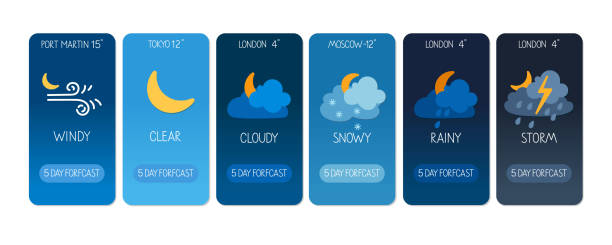
    Weather alerts play a crucial role in public safety, helping communities prepare for and respond to dangerous weather conditions. From severe storms and floods to heatwaves and hurricanes, timely weather warnings can reduce loss of life, minimize property damage, and support effective emergency planning. In today’s changing climate, weather alerts have become more important than ever.

    Understanding Weather Alerts.

    Weather alerts are official warnings issued by meteorological agencies to inform the public about potentially hazardous weather conditions. These alerts are based on scientific data collected through satellites, radar systems, and weather models. Alerts are usually categorized by severity, such as watches, warnings, and advisories, to help people understand the level of risk.

    Types of Weather Alerts.

    Different weather conditions require different types of alerts, including:

    • Storm and thunderstorm warnings
    • Flood and flash flood alerts
    • Heatwave and extreme temperature warnings
    • Hurricane and cyclone alerts
    • Fog, snowstorm, and cold wave advisories

    Each alert provides guidance on expected impacts and recommended safety actions.

    Role of Weather Alerts in Public Safety.

    Weather alerts are designed to give people time to prepare and act. Early warnings allow families to secure homes, avoid dangerous travel, and seek shelter when needed. For governments and emergency services, alerts support disaster response planning, evacuation strategies, and resource deployment.

    Accurate alerts can:

    • Save lives during extreme weather
    • Reduce injuries and health risks
    • Protect infrastructure and property
    • Support faster emergency response

    Weather Alerts and Emergency Management.

    Emergency management agencies rely heavily on weather alerts to coordinate response efforts. Hospitals, fire departments, and rescue teams use this information to stay prepared. Schools, airports, and public transport systems also depend on weather alerts to ensure safety and avoid disruptions.

    Technology Behind Weather Alerts.

    Modern weather alerts are powered by advanced technology such as:

    • Satellite imaging
    • Weather radar systems
    • Artificial intelligence and predictive models
    • Mobile alert systems and apps

    These tools have improved forecast accuracy and ensured that alerts reach people quickly through smartphones, television, radio, and online platforms.

    Public Awareness and Responsibility.

    While weather alerts provide critical information, public awareness and response are equally important. People must understand alerts, follow safety instructions, and avoid spreading misinformation. Community education programs help individuals recognize risks and respond effectively during emergencies.

    Challenges in Weather Alert Systems.

    Despite technological advancements, challenges still exist, including:

    • False alarms or delayed warnings
    • Limited access in remote areas
    • Public misunderstanding of alert levels

    Improving communication, accessibility, and trust remains essential for effective public safety.

    The Future of Weather Alerts.

    As climate change increases the frequency of extreme weather events, weather alert systems will continue to evolve. Future improvements will focus on:

    • More localized and personalized alerts
    • Faster data analysis using AI
    • Better integration with emergency services

    These advancements will strengthen public safety and disaster resilience worldwide.

  • Digital News Platforms and Their Impact.

    Digital News Platforms and Their Impact.

    Digital news platforms have completely transformed the way people access, consume, and share information. In the past, newspapers, radio, and television were the primary sources of news. Today, websites, mobile apps, and social media platforms deliver news instantly to millions of users around the world. This digital shift has reshaped journalism, public awareness, and global communication.

    The Rise of Digital News Platforms.

    The growth of the internet and smartphones has led to the rapid expansion of digital news platforms. Online news websites, news apps, and social media channels now provide real-time updates, breaking news alerts, and live coverage. People no longer need to wait for printed newspapers or scheduled TV broadcasts to stay informed.

    Digital platforms have also lowered entry barriers, allowing independent journalists and media startups to reach global audiences with minimal resources.

    Speed and Accessibility of Information.

    One of the biggest impacts of digital news platforms is speed. News can be published and shared within seconds of an event occurring. This instant access allows people to stay updated on politics, weather, health, finance, and global events anytime and anywhere.

    Accessibility has also improved, as users can read news in different languages, formats, and regions, making information more inclusive and widespread.

    Audience Engagement and Interaction.

    Unlike traditional media, digital news platforms allow two-way communication. Readers can comment, share opinions, react, and participate in discussions. This interaction increases audience engagement and gives journalists direct feedback from the public.

    Social media sharing also helps news spread faster, increasing visibility and public awareness.

    Challenges: Misinformation and Fake News.

    While digital platforms offer many benefits, they also face serious challenges. The rapid spread of misinformation and fake news is a major concern. Unverified content can go viral quickly, misleading audiences and damaging public trust.

    This has increased the importance of fact-checking, media literacy, and responsible journalism in the digital age.

    Impact on Traditional Journalism.

    Digital news platforms have significantly affected traditional media outlets. Many newspapers and TV channels have shifted to digital-first strategies to survive. Advertising revenue models have also changed, pushing media organizations to innovate through subscriptions, memberships, and digital ads.

    Journalists now need digital skills such as multimedia storytelling, data journalism, and audience analytics.

    Personalization and Technology.

    Modern digital news platforms use artificial intelligence and algorithms to personalize content based on user interests. While personalization improves user experience, it can also create information bubbles, limiting exposure to diverse viewpoints.

    Balancing personalization with editorial responsibility remains a key challenge.

    Global Impact of Digital News.

    Digital news platforms have made global information accessible to everyone. Events in one part of the world can influence public opinion and decision-making in another. This global connectivity has strengthened awareness but also increased the responsibility of news providers.

    Conclusion.

    Digital news platforms have revolutionized information sharing by making news faster, more accessible, and interactive. While challenges like misinformation exist, responsible journalism, technology, and informed audiences can ensure that digital news remains a powerful tool for education, awareness, and democracy in the modern world.

  • The Importance of Verified Information in the Digital Age.

    The Importance of Verified Information in the Digital Age.

    In today’s fast-moving digital world, information is available at our fingertips within seconds. News, updates, opinions, and data spread rapidly through websites, social media platforms, and messaging apps. While this easy access to information has many benefits, it also creates a serious challenge: the spread of unverified and misleading information. This is why verified information has become more important than ever.

    Verified Information.

    Verified information refers to facts and data that have been checked, confirmed, and validated by reliable and trustworthy sources. This process usually involves professional journalists, researchers, fact-checking organizations, or official institutions. Verified information is based on evidence, credible sources, and transparency.

    The Dangers of Unverified Information.

    Unverified information can cause confusion, fear, and harm. False news, rumors, and manipulated content can spread quickly, especially on social media. This can lead to:

    • Poor decision-making
    • Public panic or misinformation
    • Damage to personal and professional reputations
    • Social division and mistrust
    • Financial and health-related risks

    In critical situations such as public health crises, natural disasters, or political events, false information can have serious real-world consequences.

    Verified Information Matters.

    Verified information helps people make informed and responsible decisions. When information is accurate and reliable, individuals can better understand events, plan their actions, and protect themselves and others. Governments, businesses, educators, and communities all depend on verified data to function effectively.

    Reliable information also strengthens public trust. When people know they can depend on a source, they are more likely to stay informed and engaged with important issues.

    The Role of Journalism and Fact-Checking.

    Professional journalism plays a key role in verifying information. Journalists follow ethical standards, confirm sources, and cross-check facts before publishing. In addition, independent fact-checking organizations work to identify false claims and provide corrections.

    Technology companies and media platforms are also increasingly using tools like AI-based detection systems and warning labels to reduce the spread of misinformation.

    Verified Information and Social Media.

    Social media platforms allow anyone to share content instantly, which increases the risk of misinformation. Users must take responsibility by checking sources, reading beyond headlines, and avoiding the spread of unverified content. Digital literacy and critical thinking are essential skills in today’s information age.

    How Individuals Can Identify Verified Information.

    People can protect themselves from misinformation by:

    • Relying on trusted news organizations
    • Checking multiple sources
    • Looking for author credibility and publication date
    • Avoiding emotional or sensational headlines
    • Using fact-checking websites

    These simple steps can significantly improve information quality and awareness.

    Conclusion.

    Verified information is the foundation of a healthy and informed society. In an era where misinformation spreads faster than ever, accuracy, transparency, and responsibility are essential. By supporting reliable sources and practicing careful information sharing, individuals can help create a safer, smarter, and more informed digital world.


  • Weather Forecasts Matter.

    Weather Forecasts Matter.

    Weather forecasts play a crucial role in modern life. From planning daily activities to preparing for natural disasters, accurate weather information helps individuals, businesses, and governments make informed decisions. With changing climate patterns and increasing extreme weather events, the importance of reliable weather forecasting has become greater than ever.

    Helping People Plan Daily Life.

    Weather forecasts help people plan their everyday routines efficiently. Knowing whether it will rain, snow, or remain sunny allows individuals to choose appropriate clothing, plan travel, and organize outdoor activities. Students, workers, and families rely on forecasts to manage their schedules smoothly and avoid unnecessary disruptions.

    Improving Public Safety.

    One of the most critical roles of weather forecasting is protecting human life. Early warnings about storms, floods, heatwaves, and cyclones allow authorities and communities to prepare in advance. Evacuations, emergency responses, and safety measures depend heavily on accurate and timely weather updates. These forecasts reduce casualties and minimize damage to property.

    Supporting Agriculture and Food Security.

    Farmers depend on weather forecasts to make decisions about planting, irrigation, and harvesting. Rainfall predictions, temperature trends, and seasonal forecasts help increase crop yields and reduce losses. Accurate weather information contributes directly to food security and agricultural sustainability, especially in climate-sensitive regions.

    Enabling Safe Transportation.

    Weather conditions strongly affect transportation systems. Airlines, shipping companies, and road transport services rely on forecasts to avoid dangerous conditions such as fog, storms, or heavy snowfall. Accurate weather data ensures passenger safety, reduces delays, and improves overall efficiency in global transportation networks.

    Strengthening Economic Stability.

    Many industries, including energy, construction, tourism, and insurance, depend on weather forecasts. Power companies plan energy production based on temperature trends, while construction projects adjust schedules according to weather conditions. Reliable forecasts help businesses reduce risks, save costs, and maintain economic stability.

    Advancing Disaster Preparedness.

    Extreme weather events are becoming more frequent due to climate change. Weather forecasting plays a key role in disaster risk management by providing early warnings and long-term climate data. Governments and emergency agencies use forecasts to develop preparedness plans and reduce the impact of natural disasters on communities.

    Role of Technology in Weather Forecasting.

    Modern weather forecasting uses advanced technology such as satellites, radar systems, supercomputers, and artificial intelligence. These tools analyze massive amounts of data to improve prediction accuracy. As technology advances, forecasts continue to become more precise and reliable, benefiting societies worldwide.

    Conclusion.

    Weather forecasts are far more than simple predictions. They are essential tools for safety, planning, economic growth, and environmental awareness. In a world facing climate uncertainty, accurate and timely weather information empowers people to make smart decisions and build resilient communities. Understanding why weather forecasts matter helps us appreciate their value in our daily lives and future planning.

  • The Role of News in Modern Society.

    The Role of News in Modern Society.

    In the modern world, news plays a critical role in shaping society, influencing public opinion, and keeping people informed about events that affect their daily lives. From politics and economics to health, technology, and the environment, news serves as a bridge between information and the public. Without reliable news, societies would struggle to make informed decisions and hold institutions accountable.

    News as a Source of Information.

    One of the primary roles of news is to provide accurate and timely information. People rely on news to understand what is happening in their local communities and across the globe. Whether it is breaking news, policy changes, economic updates, or public safety alerts, news helps individuals stay aware and prepared.

    In emergencies such as natural disasters or health crises, news becomes a lifeline by delivering crucial updates that can save lives.

    News and Democracy.

    A strong democracy depends on free and independent journalism. News organizations monitor government actions, investigate corruption, and report on political developments. This allows citizens to make informed choices, especially during elections.

    By giving a voice to different perspectives, news promotes transparency, accountability, and public debate—essential elements of a democratic society.

    Shaping Public Opinion.

    News has a powerful influence on how people perceive events and issues. Through analysis, interviews, and expert opinions, news helps audiences understand complex topics. Responsible journalism encourages critical thinking, while biased or misleading reporting can create confusion.

    This is why ethical reporting and fact-based journalism are crucial in maintaining public trust.

    The Impact of Digital News.

    The rise of digital platforms has transformed the way news is consumed. Online websites, mobile apps, and social media provide instant access to information. While this has increased speed and reach, it has also led to challenges such as misinformation and fake news.

    Modern audiences must develop news literacy to identify reliable sources and verify information before sharing it.

    News and Social Awareness.

    News highlights social issues such as inequality, climate change, education, and public health. By bringing attention to these topics, journalism encourages discussion and action. Many positive social movements have gained momentum through responsible news coverage.

    Challenges Facing Modern News.

    Despite its importance, the news industry faces several challenges:

    • Spread of misinformation
    • Declining trust in media
    • Pressure of speed over accuracy
    • Economic challenges for independent journalism

    Addressing these issues requires ethical standards, media literacy, and support for credible journa