Author: dulltanashahzad@gmail.com

  • Environmental News and Awareness: Building a Sustainable Future.

    Environmental News and Awareness: Building a Sustainable Future.

    Environmental news plays a powerful role in shaping how societies understand and respond to the challenges facing our planet. From climate change and pollution to conservation efforts and renewable energy developments, environmental reporting informs the public about critical issues that affect ecosystems, economies, and human health. In today’s interconnected world, awareness through accurate environmental news is essential for building a sustainable and responsible future.

    The Importance of Environmental News.

    Environmental news provides timely information about changes in the natural world. It covers topics such as rising global temperatures, deforestation, biodiversity loss, water scarcity, and air pollution. By reporting scientific findings, policy changes, and environmental disasters, news outlets help individuals and communities stay informed about the risks and solutions related to environmental challenges.

    Without reliable reporting, many environmental problems would remain unnoticed or misunderstood. News coverage increases transparency and encourages governments, industries, and organizations to take responsibility for their environmental impact.

    Climate Change Reporting.

    One of the most significant topics in environmental news is climate change. Rising temperatures, melting glaciers, stronger storms, and shifting rainfall patterns are widely reported to highlight the urgency of action. Climate journalism translates complex scientific research into understandable information for the general public.

    By explaining the causes and consequences of climate change, environmental news helps people understand how their daily activities—such as energy use, transportation, and consumption—contribute to global warming. This awareness encourages sustainable lifestyle choices and support for climate-friendly policies.

    Pollution and Public Health.

    Environmental awareness also focuses on pollution and its effects on human health. News stories often highlight air quality issues, plastic waste in oceans, contaminated water supplies, and industrial emissions. These reports reveal how environmental damage can lead to respiratory diseases, waterborne illnesses, and long-term health risks.

    When communities are informed about pollution levels and safety measures, they can demand cleaner policies and adopt healthier habits. Public awareness often leads to stronger environmental regulations and improved corporate accountability.

    Conservation and Biodiversity.

    Another key area of environmental news is wildlife conservation and biodiversity protection. Reports on endangered species, habitat destruction, and conservation initiatives inspire people to support environmental organizations and sustainable practices.

    Media coverage of reforestation projects, wildlife rescue efforts, and marine conservation programs highlights positive actions being taken around the world. These success stories demonstrate that collective effort can make a difference in preserving natural ecosystems.

    Renewable Energy and Green Innovation.

    Environmental reporting also covers advancements in renewable energy and sustainable technology. Solar power, wind energy, electric vehicles, and green infrastructure are frequently featured in news updates. These innovations provide hope for reducing dependence on fossil fuels and lowering greenhouse gas emissions.

    By showcasing clean energy solutions, environmental news encourages investment in sustainable industries and motivates individuals to adopt eco-friendly alternatives.

    The Role of Digital Media in Environmental Awareness.

    Digital platforms have significantly expanded access to environmental information. Social media, online news portals, and educational websites allow environmental stories to reach global audiences instantly. Visual content such as infographics, videos, and interactive maps makes complex environmental data easier to understand.

    However, it is important for readers to rely on credible sources to avoid misinformation. Responsible journalism ensures that environmental news is accurate, science-based, and balanced.

    Individual Responsibility and Community Action.

    Environmental awareness does not end with reading news articles. It inspires action. Individuals can contribute by reducing waste, conserving water, using public transportation, supporting sustainable brands, and participating in local environmental initiatives.

    Communities can organize clean-up drives, tree-planting campaigns, and educational workshops. When people are informed and engaged, meaningful environmental change becomes possible.


  • Ethical Journalism and Public Trust.

    Ethical Journalism and Public Trust.

    In a world filled with constant information flow, ethical journalism stands as a pillar of democracy and social responsibility. News organizations play a powerful role in shaping public opinion, influencing policy discussions, and informing communities. However, this influence carries a great responsibility — the responsibility to report truthfully, fairly, and transparently. Ethical journalism is not just a professional standard; it is the foundation upon which public trust is built.

    Ethical Journalism.

    Ethical journalism refers to the practice of reporting news in a manner that is accurate, honest, impartial, and responsible. It involves gathering information carefully, verifying facts before publication, and presenting stories without intentional bias or manipulation.

    Core principles of ethical journalism include:

    • Accuracy – Reporting verified and fact-checked information
    • Fairness – Representing all relevant perspectives
    • Independence – Avoiding conflicts of interest
    • Accountability – Correcting mistakes transparently
    • Transparency – Being open about sources and methods when possible

    When journalists follow these principles, they strengthen the credibility of their work and earn the confidence of their audience.

    The Importance of Public Trust.

    Public trust is the belief that news organizations provide reliable and truthful information. Without trust, journalism loses its impact and value. People depend on credible news to make informed decisions about voting, health, finances, education, and daily life.

    When trust is strong:

    • Citizens engage more actively in civic matters
    • Democratic systems function effectively
    • Misinformation has less influence
    • Communities stay informed and connected

    On the other hand, when trust declines, confusion and misinformation can spread quickly, weakening social stability.

    Challenges to Ethical Journalism.

    In the digital age, journalism faces several challenges that can affect public trust:

    1. Speed Over Accuracy

    The demand for instant news updates can pressure media outlets to publish quickly. This sometimes leads to incomplete verification and errors.

    2. Misinformation and Fake News

    Social media platforms allow anyone to publish content, making it harder for audiences to distinguish between verified journalism and false information.

    3. Political and Commercial Pressure

    Journalists may face influence from advertisers, political groups, or powerful institutions, which can threaten editorial independence.

    4. Sensationalism

    Clickbait headlines and exaggerated reporting can attract attention but damage long-term credibility.

    Addressing these challenges requires strong editorial standards and commitment to ethical values.

    The Role of Transparency and Accountability.

    Transparency builds trust. When news organizations openly explain how information is gathered and correct errors publicly, they demonstrate integrity. Ethical journalism includes acknowledging mistakes, issuing corrections, and engaging respectfully with audience feedback.

    Accountability also means protecting sources responsibly, respecting privacy, and avoiding harm when reporting sensitive issues.

    The Impact of Digital Media.

    Digital platforms have changed how news is consumed. While technology has improved accessibility, it has also increased competition and information overload. Ethical journalism in the digital era requires:

    • Careful fact-checking before sharing breaking news
    • Clear distinction between opinion and factual reporting
    • Responsible use of images and headlines
    • Protection against manipulated content

    By adapting ethical standards to modern platforms, journalists can maintain credibility even in a fast-paced online environment.

    Strengthening Public Trust.

    Building and maintaining public trust is a continuous process. News organizations can strengthen trust by:

    • Investing in investigative journalism
    • Providing balanced and diverse perspectives
    • Engaging with communities
    • Promoting media literacy
    • Maintaining editorial independence

    When audiences see consistent ethical behavior, they develop confidence in news institutions.

  • Technology in Weather Forecasting How Modern Innovations Improve Accuracy.

    Technology in Weather Forecasting How Modern Innovations Improve Accuracy.

    Weather forecasting has evolved dramatically over the past century. What once relied on simple observations of clouds and wind patterns is now powered by advanced satellites, supercomputers, artificial intelligence, and global data networks. Technology plays a crucial role in predicting weather conditions accurately, helping governments, businesses, and individuals prepare for daily changes and extreme weather events.

    The Evolution of Weather Forecasting.

    In the early days, weather prediction was based mainly on human observation and historical patterns. Meteorologists used barometers, thermometers, and basic wind measurements to estimate future conditions. While helpful, these methods lacked precision.

    Today, forecasting relies on advanced technology that collects and analyzes vast amounts of atmospheric data in real time. This transformation has significantly improved the reliability and speed of weather predictions.

    Satellites: Eyes in the Sky.

    Weather satellites are among the most important tools in modern forecasting. Orbiting Earth, these satellites capture images and collect data about cloud formations, storm systems, temperature changes, and ocean activity.

    There are two main types of weather satellites:

    • Geostationary Satellites: These remain fixed over one location, providing continuous monitoring of weather patterns.
    • Polar-Orbiting Satellites: These travel around the Earth from pole to pole, collecting detailed global data.

    Satellite technology helps meteorologists track hurricanes, monitor rainfall, and detect climate changes with remarkable accuracy.

    Radar Systems and Storm Tracking.

    Radar technology is essential for detecting precipitation, thunderstorms, and severe weather conditions. Doppler radar, in particular, measures the movement and intensity of rain, snow, and storms.

    This technology allows meteorologists to:

    • Track storm paths
    • Predict tornado formation
    • Issue timely weather warnings
    • Monitor rainfall intensity

    Radar systems play a vital role in saving lives during extreme weather events.

    Supercomputers and Weather Models.

    Modern forecasting depends heavily on supercomputers. These powerful machines process massive amounts of data collected from satellites, radar, weather stations, and ocean buoys.

    Using complex mathematical models, supercomputers simulate atmospheric conditions to predict future weather patterns. These models analyze factors such as:

    • Air pressure
    • Humidity
    • Wind speed
    • Temperature variations

    The faster and more powerful the computer, the more accurate and detailed the forecast becomes.

    Artificial Intelligence and Machine Learning.

    Artificial Intelligence (AI) is revolutionizing weather forecasting. AI systems can analyze historical weather data and identify patterns that humans might miss. Machine learning algorithms continuously improve predictions by learning from past forecasting errors.

    AI helps in:

    • Short-term weather prediction
    • Climate trend analysis
    • Disaster risk assessment
    • Real-time data interpretation

    As AI technology advances, forecasting accuracy continues to improve.

    Weather Stations and IoT Devices.

    Ground-based weather stations collect local data such as temperature, humidity, wind speed, and atmospheric pressure. With the rise of the Internet of Things (IoT), smart sensors now provide real-time weather information from various locations worldwide.

    These devices enhance forecasting accuracy at the local level and support agricultural planning, transportation safety, and energy management.

    Mobile Apps and Public Access.

    Technology has also made weather information more accessible to the public. Mobile apps and digital platforms provide instant updates, hourly forecasts, and severe weather alerts.

    Features commonly available include:

    • Real-time radar maps
    • Temperature trends
    • Rainfall predictions
    • Air quality indexes

    Easy access to weather information helps individuals make informed daily decisions.

    Technology and Climate Monitoring.

    Beyond daily forecasting, technology plays a critical role in monitoring long-term climate change. Satellites and climate models help scientists track rising temperatures, melting glaciers, and shifting weather patterns.

    Accurate climate data supports global environmental policies and sustainability efforts.

    Challenges and Future Innovations.

    Despite technological advancements, weather forecasting still faces challenges due to the complexity of the atmosphere. Small variations in data can impact predictions. However, future innovations such as quantum computing and enhanced AI models promise even greater accuracy.

    Continued investment in research and global data sharing will further strengthen forecasting capabilities.

  • Extreme Weather and Climate Risks Understanding the Growing Global Challenge.

    Extreme Weather and Climate Risks Understanding the Growing Global Challenge.

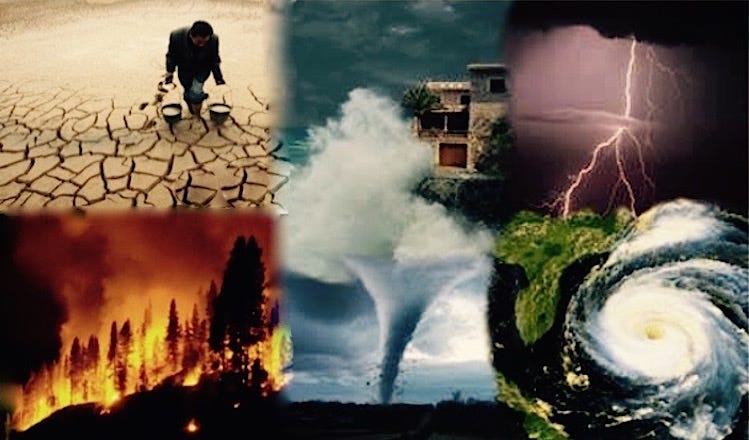
    Extreme weather and climate risks have become one of the most serious global challenges of the 21st century. Around the world, communities are experiencing more frequent and intense heatwaves, floods, storms, droughts, and wildfires. These events not only disrupt daily life but also threaten economies, public health, infrastructure, and ecosystems.

    Understanding extreme weather and climate risks is essential for building safer and more resilient societies.


    Extreme Weather.

    Extreme weather refers to unusual, severe, or unseasonal weather events that significantly differ from average patterns. These include:

    • Intense hurricanes and cyclones
    • Severe flooding
    • Prolonged droughts
    • Heatwaves
    • Heavy snowfall and cold waves
    • Wildfires

    While extreme weather has always existed, climate change is increasing both the frequency and intensity of many of these events.


    The Link Between Climate Change and Extreme Weather.

    Climate change is largely driven by rising greenhouse gas emissions from human activities such as burning fossil fuels, deforestation, and industrial production. As global temperatures rise, the atmosphere holds more moisture and energy, which can lead to:

    • Stronger storms
    • Heavier rainfall
    • Longer heatwaves
    • Faster glacier melting
    • Rising sea levels

    Warmer oceans also fuel more powerful tropical storms, increasing the risk of coastal flooding and destruction.


    Major Climate Risks Facing the World.

    1. Heatwaves and Rising Temperatures

    Heatwaves are becoming longer and more intense. Extremely high temperatures can cause dehydration, heatstroke, and increased mortality, especially among elderly populations and vulnerable communities.

    2. Flooding and Heavy Rainfall

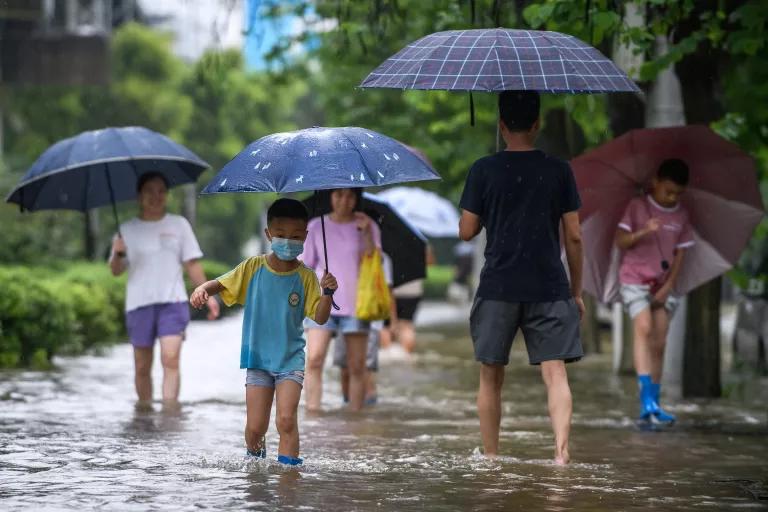
    Heavy rainfall events are increasing in many regions. Urban areas with poor drainage systems are particularly vulnerable to flash floods, causing property damage and displacement.

    3. Drought and Water Scarcity

    Prolonged droughts affect agriculture, reduce water supplies, and threaten food security. Many regions now face water shortages due to changing rainfall patterns.

    4. Wildfires

    Hot and dry conditions increase the likelihood of wildfires. These fires destroy forests, wildlife habitats, and homes, while also contributing to air pollution.

    5. Sea-Level Rise

    Melting glaciers and expanding ocean water due to warming temperatures are causing sea levels to rise. Coastal cities and island nations are at significant risk.


    Economic and Social Impacts.

    Extreme weather events have serious economic consequences. Damaged infrastructure, disrupted supply chains, and agricultural losses can cost billions of dollars annually. Businesses may face operational disruptions, while governments must spend heavily on disaster response and recovery.

    Socially, extreme weather can lead to:

    • Population displacement
    • Increased poverty
    • Health crises
    • Food insecurity
    • Migration pressures

    Vulnerable communities are often the most affected, as they have fewer resources to adapt or recover.


    Health Risks and Environmental Consequences.

    Extreme weather events impact both physical and mental health. Heatwaves increase cardiovascular risks, while floods can spread waterborne diseases. Poor air quality from wildfires affects respiratory health.

    Environmentally, climate risks threaten biodiversity. Ecosystems struggle to adapt to rapid temperature changes, leading to habitat loss and species extinction.


    The Importance of Climate Adaptation and Preparedness.

    To reduce climate risks, governments and communities must invest in adaptation strategies, including:

    • Early warning systems
    • Climate-resilient infrastructure
    • Sustainable water management
    • Reforestation projects
    • Renewable energy development

    Preparedness plans, disaster response systems, and public awareness campaigns are essential for minimizing damage and protecting lives.


    Mitigation: Reducing Future Risks.

    Mitigation involves reducing greenhouse gas emissions to slow climate change. Key solutions include:

    • Transitioning to renewable energy sources
    • Improving energy efficiency
    • Promoting sustainable transportation
    • Protecting forests
    • Encouraging climate-friendly policies

    Global cooperation is crucial, as climate change is a shared challenge that crosses borders.


    The Future of Climate Risk Management.

    As extreme weather events continue to rise, technology and innovation will play a central role. Artificial intelligence, satellite monitoring, and advanced climate modeling improve forecasting accuracy and risk assessment.

    Public awareness, responsible reporting, and science-based decision-making will shape a more climate-resilient future.

  • Data-Driven Journalism Transforming News Through Facts and Analytics.

    Data-Driven Journalism Transforming News Through Facts and Analytics.

    In the modern digital era, journalism is no longer limited to traditional reporting methods. The rise of technology, big data, and digital tools has given birth to a powerful new approach known as Data-Driven Journalism. This method combines investigative reporting with data analysis to present accurate, evidence-based stories that inform, educate, and empower audiences.

    Data-driven journalism focuses on collecting, analyzing, and interpreting large amounts of information to uncover trends, patterns, and insights that may not be visible through conventional reporting. By transforming raw numbers into meaningful stories, journalists can provide deeper understanding and greater transparency.


    Data-Driven Journalism.

    Data-driven journalism, also called data journalism, is a reporting style that uses statistics, databases, and analytical tools as primary sources of information. Instead of relying only on interviews or press releases, journalists examine datasets such as:

    • Government records
    • Public financial data
    • Health statistics
    • Climate reports
    • Election results
    • Economic indicators

    By analyzing this data, reporters can reveal hidden facts, identify irregularities, and present evidence-based conclusions.


    The Evolution of Journalism in the Digital Age.

    The digital revolution has dramatically changed how news is produced and consumed. With access to vast online databases and open-data platforms, journalists now have more information than ever before. Tools like spreadsheets, visualization software, and programming languages allow them to analyze complex data efficiently.

    Modern audiences also expect transparency and proof. Data-backed reporting builds trust by showing readers the evidence behind the story. Interactive charts, maps, and infographics make complex topics easier to understand.


    Why Data-Driven Journalism Matters.

    1. Promotes Transparency

    Data reporting exposes corruption, financial mismanagement, and policy failures by relying on verified facts.

    2. Improves Accuracy

    Using data reduces speculation and ensures that stories are supported by measurable evidence.

    3. Enhances Public Understanding

    Visual elements like graphs and infographics help readers grasp complicated subjects such as economic growth, climate change, or healthcare statistics.

    4. Strengthens Accountability

    Governments, corporations, and institutions can be held accountable when journalists analyze and publish factual data.


    Tools Used in Data Journalism.

    Data-driven journalists use various digital tools, including:

    • Spreadsheet software (Excel, Google Sheets)
    • Data visualization tools (Tableau, Power BI)
    • Programming languages (Python, R)
    • Mapping tools (GIS software)
    • Statistical analysis platforms

    These tools allow journalists to clean, organize, and interpret raw datasets accurately.


    Real-World Applications of Data Journalism.

    Data-driven journalism is widely used in:

    • Election coverage and voter analysis
    • COVID-19 tracking dashboards
    • Climate change reporting
    • Economic and unemployment reports
    • Crime statistics analysis

    Such reports help citizens make informed decisions based on factual evidence rather than opinions.


    Challenges in Data-Driven Reporting.

    Despite its advantages, data journalism also faces challenges:

    • Access to reliable datasets
    • Risk of misinterpreting statistics
    • Technical skill requirements
    • Data privacy and ethical concerns

    Journalists must verify sources, ensure ethical handling of data, and clearly explain their methodology to maintain credibility.


    The Future of Data Journalism.

    With advancements in artificial intelligence and machine learning, data journalism is expected to become even more powerful. Automated data collection, predictive analytics, and real-time dashboards will enhance investigative reporting.

    As audiences demand more transparency and fact-based content, data-driven journalism will continue to shape the future of media. It represents a shift from opinion-based storytelling to evidence-based reporting.

  • How Weather Affects Daily Life.

    How Weather Affects Daily Life.

    Weather plays a powerful role in shaping our everyday experiences. From the clothes we wear to the way we travel, work, and even feel emotionally, weather conditions influence nearly every aspect of daily life. Whether it is sunshine, rain, heat, or cold, changes in the atmosphere have direct and indirect effects on individuals, communities, and economies around the world.

    Weather and Daily Routine.

    One of the most immediate ways weather affects life is through daily planning. People check weather forecasts before leaving their homes to decide what to wear, whether to carry an umbrella, or how to prepare for the day. Rainy days may delay outdoor plans, while sunny weather encourages travel, sports, and social activities.

    In regions with extreme weather, such as heavy snowfall or intense heatwaves, daily routines may completely change. Schools may close, offices may operate remotely, and transportation schedules may be adjusted.

    Impact on Transportation.

    Weather significantly influences transportation systems. Fog can reduce visibility on roads and airports, causing delays and accidents. Heavy rain may lead to flooded streets, making driving dangerous. Snow and ice can disrupt public transport systems and airline schedules.

    Shipping and maritime travel also depend heavily on weather conditions. Storms at sea can delay cargo deliveries, affecting supply chains and business operations.

    Influence on Health and Well-Being.

    Weather conditions have a strong connection to human health. Extremely hot temperatures can cause dehydration, heatstroke, and fatigue. Cold weather increases the risk of flu, respiratory illnesses, and joint pain.

    Air quality often worsens during certain weather patterns, affecting people with asthma or allergies. Additionally, seasonal changes can impact mental health. For example, reduced sunlight during winter months may lead to mood changes or seasonal depression.

    Effects on Agriculture and Food Supply.

    Farmers rely heavily on predictable weather patterns. Rainfall, temperature, and sunlight are essential for crop growth. Droughts can destroy harvests, while floods can damage farmland and livestock.

    Changes in weather directly affect food prices and availability. When crops fail due to extreme conditions, markets may experience shortages or price increases.

    Economic Impact.

    Weather conditions influence many industries, including tourism, construction, and energy production. Sunny weather boosts tourism in beach destinations, while snow attracts visitors to ski resorts.

    Construction projects may slow down during heavy rainfall or storms. Energy demand also changes depending on temperature, as people use more electricity for heating in winter and cooling in summer.

    Social and Lifestyle Changes.

    Weather shapes social behavior. People are more likely to participate in outdoor events during pleasant weather. Festivals, sports competitions, and family gatherings often depend on favorable conditions.

    In extreme cases, natural disasters such as hurricanes or floods can displace communities, disrupt education, and require emergency response efforts.

    Technology and Weather Forecasting.

    Modern technology has improved the ability to predict weather accurately. Satellite systems, radar technology, and advanced computer models help meteorologists provide timely warnings. Accurate forecasts allow individuals and governments to prepare for severe conditions and reduce potential risks.

  • Global News and International Awareness.

    Global News and International Awareness.

    In today’s interconnected world, global news plays a powerful role in shaping international awareness. With the rapid growth of digital media and communication technology, events happening in one country can instantly impact people across the globe. From political developments and economic shifts to climate change and humanitarian crises, global news connects societies and fosters a deeper understanding of the world.

    Understanding Global News.

    Global news refers to information and reports about events that affect multiple countries or have international significance. These include diplomatic relations, global trade, international conflicts, environmental challenges, public health emergencies, and cultural exchanges.

    Unlike local news, which focuses on specific communities, global news highlights issues that cross borders. It allows people to see how their nation fits into the larger global system.

    The Importance of International Awareness.

    International awareness is the understanding of global events, cultures, policies, and challenges. It encourages empathy, cooperation, and informed decision-making. When individuals stay updated with global news, they:

    • Gain knowledge about international politics and economics
    • Understand cultural diversity and global traditions
    • Recognize worldwide challenges such as climate change
    • Develop critical thinking about global policies
    • Become more responsible global citizens

    Informed citizens are better prepared to participate in meaningful discussions and contribute positively to society.

    The Role of Media in Global Reporting.

    Modern media platforms have transformed how global news is delivered. Television networks, digital news websites, podcasts, and social media platforms provide real-time updates. International correspondents and journalists work across continents to deliver accurate and timely information.

    However, responsible journalism is essential. Accurate reporting, fact-checking, and unbiased coverage help prevent misinformation and maintain public trust. Ethical reporting ensures that global events are presented clearly and responsibly.

    Technology and Global Connectivity.

    Technology has made global communication faster and more accessible than ever. Live broadcasts, satellite reporting, and instant notifications allow people to follow international developments in real time. Artificial intelligence and data analytics are also helping journalists analyze trends and present complex global information in understandable formats

    At the same time, digital platforms require users to verify sources and rely on credible media outlets to avoid misinformation.

    Global News and Economic Awareness.

    International economic news affects businesses, investors, and governments. Trade agreements, currency fluctuations, energy markets, and global supply chains influence economies worldwide. Staying informed about global financial trends helps individuals and organizations make strategic decisions.

    Cultural Exchange Through Global News.

    Global news also promotes cultural understanding. By learning about festivals, traditions, social movements, and innovations in other countries, people gain appreciation for diversity. This cultural awareness strengthens international cooperation and mutual respect.

    Challenges in Global Reporting.

    While global news provides many benefits, it also faces challenges:

    • Spread of misinformation
    • Political bias
    • Language barriers
    • Information overload

    Overcoming these challenges requires media literacy, ethical journalism, and critical thinking among audiences.

    The Future of Global News.

    The future of global news lies in digital transformation, transparency, and personalization. Artificial intelligence, interactive reporting, and multimedia storytelling will continue to shape how international information is shared. As globalization increases, international awareness will become even more essential for peaceful cooperation and sustainable development.

  • News Literacy in the Information Age.

    News Literacy in the Information Age.

    In today’s fast-moving digital world, information travels faster than ever before. With just a single click, news stories can reach millions of people across the globe. While this instant access to information has many benefits, it also creates challenges. Misinformation, biased reporting, and fake news have become serious concerns. This is where news literacy becomes essential.

    News literacy is the ability to identify credible information, evaluate sources, understand media bias, and think critically about the content we consume. In the Information Age, being news literate is not just helpful — it is necessary.


    Understanding News Literacy.

    News literacy refers to the skills needed to:

    • Distinguish between facts and opinions
    • Identify reliable and trustworthy sources
    • Recognize bias and propaganda
    • Verify information before sharing it
    • Understand how news organizations operate

    A news-literate person does not simply accept information at face value. Instead, they ask questions such as:

    • Who created this content
    • What is the purpose of this message
    • Is there evidence supporting the claims
    • Are other trusted sources reporting the same story

    These questions help individuals avoid misinformation and make informed decisions.


    The Rise of Digital Media.

    The internet and social media platforms have transformed how people access news. Traditional newspapers and television broadcasts are no longer the only sources of information. Today, people receive updates through:

    • Social media feeds
    • Blogs and online forums
    • Video-sharing platforms
    • News apps and notifications

    While this digital transformation has made information more accessible, it has also made it easier for false or misleading content to spread rapidly. Algorithms often prioritize engaging content rather than accurate content, which can increase the visibility of sensational or misleading stories.


    The Problem of Misinformation.

    Misinformation refers to false or inaccurate information that is spread unintentionally, while disinformation is deliberately created to mislead people. Both can cause confusion, fear, and even social unrest.

    Common examples include:

    • Fake headlines designed to attract clicks
    • Manipulated images or videos
    • Misleading statistics without proper context
    • Biased reporting that presents only one side of a story

    Without news literacy skills, individuals may unknowingly share or believe false information.


    Why News Literacy Matters.

    News literacy plays a crucial role in maintaining a healthy society. It:

    1. Strengthens Democracy

    Informed citizens make better decisions during elections and public discussions. Accurate news allows people to understand policies, leaders, and social issues clearly.

    2. Encourages Critical Thinking

    News literacy promotes questioning, analyzing, and evaluating information rather than blindly accepting it.

    3. Reduces the Spread of Fake News

    When people verify information before sharing, misinformation spreads less quickly.

    4. Builds Trust in Reliable Journalism

    Understanding how professional journalism works helps individuals appreciate credible reporting and support responsible media organizations.


    Key Skills for News Literacy.

    To become news literate, individuals should develop the following skills:

    Source Evaluation

    Check whether the source is well-known, reputable, and transparent about its authors and funding.

    Fact-Checking

    Use trusted fact-checking platforms and compare multiple sources before believing or sharing a story.

    Understanding Bias

    Every news outlet may have perspectives or editorial positions. Recognizing bias helps readers interpret stories more accurately.

    Media Awareness

    Understand how headlines, images, and emotional language can influence perception.


    The Role of Education.

    Schools and educational institutions play an important role in teaching media literacy and critical thinking. By incorporating news literacy into curricula, students learn how to responsibly navigate digital information from an early age.

    Parents and community leaders also have a responsibility to encourage thoughtful media consumption and open discussions about news topics.


    The Future of News Literacy.

    As artificial intelligence and digital technologies continue to evolve, the information landscape will become even more complex. Deepfake videos, automated content generation, and personalized news feeds will require stronger news literacy skills.

    The future depends on individuals who can think independently, verify information carefully, and contribute positively to digital conversations.

  • Understanding Climate Information: A Complete Guide to Climate Awareness.

    Understanding Climate Information: A Complete Guide to Climate Awareness.

    Climate information plays a crucial role in helping individuals, governments, and businesses understand long-term environmental patterns and global changes. Unlike daily weather updates, climate information focuses on trends observed over decades, providing valuable insights into how our planet is evolving. In today’s world, understanding climate data is more important than ever as environmental challenges continue to shape our future.


    Climate Information.

    Climate information refers to data and analysis about long-term atmospheric conditions in a specific region or across the globe. It includes patterns of temperature, rainfall, humidity, wind, and seasonal variations recorded over many years.

    While weather tells us what is happening today or this week, climate tells us what typically happens over 20, 30, or even 100 years. For example:

    • Weather: “It will rain tomorrow.”
    • Climate: “This region usually receives heavy rainfall during monsoon season.”

    Understanding this difference is essential for interpreting environmental reports accurately.


    Why Climate Information Matters 📊

    Climate information helps societies make informed decisions in multiple areas:

    1. Agriculture

    Farmers rely on long-term rainfall and temperature trends to decide what crops to grow and when to plant them. Climate data reduces the risk of crop failure and improves food security.

    2. Disaster Preparedness

    Climate trends help predict risks such as floods, droughts, hurricanes, and heatwaves. Governments use this information to design emergency plans and infrastructure improvements.

    3. Urban Planning

    Cities use climate projections to build stronger drainage systems, manage water supplies, and design heat-resistant infrastructure.

    4. Energy Management

    Energy demand often changes with climate conditions. For example, higher temperatures increase electricity use for cooling systems.


    Sources of Climate Information.

    Climate data is collected using advanced scientific tools and technologies:

    • Weather stations
    • Satellites
    • Ocean buoys
    • Radar systems
    • Climate models powered by supercomputers

    Scientists analyze decades of recorded data to detect patterns and predict future changes. Modern climate models use artificial intelligence and advanced simulations to improve forecasting accuracy.


    Climate Change and Global Warming.

    One of the most discussed aspects of climate information today is climate change. Long-term data shows that global average temperatures have been rising due to increased greenhouse gas emissions.

    Key indicators of climate change include:

    • Rising global temperatures
    • Melting glaciers and ice caps
    • Sea-level rise
    • More frequent extreme weather events
    • Changes in rainfall patterns

    Understanding these trends helps policymakers create environmental regulations and sustainability plans.


    The Difference Between Climate and Weather.

    Many people confuse climate with weather. Here’s a simple comparison:

    WeatherClimate
    Short-termLong-term
    Changes dailyChanges over decades
    Local focusRegional or global focus

    Recognizing this difference prevents misunderstandings about environmental reports.


    How Individuals Can Use Climate Information.

    Climate information is not only for scientists. Individuals can benefit by:

    • Planning agricultural activities
    • Preparing for seasonal changes
    • Supporting eco-friendly policies
    • Making sustainable lifestyle choices

    Awareness encourages responsible environmental behavior.


    The Future of Climate Monitoring.

    Technology continues to improve climate research. Innovations like AI-based climate modeling, satellite imaging, and global data-sharing platforms allow scientists to provide more precise predictions.

    International cooperation also plays a vital role. Countries share climate data to address global environmental challenges collectively.

  • Local News and Community Awareness: Strengthening Connections and Empowering Citizens.

    Local News and Community Awareness: Strengthening Connections and Empowering Citizens.

    Local news plays a crucial role in building strong, informed, and connected communities. While national and international news focuses on global events, local news highlights the stories that directly affect people’s daily lives. From city governance and education to public safety and community events, local journalism keeps citizens aware, engaged, and empowered.

    Local News

    Local news refers to information and reporting that focuses on a specific town, city, or region. It covers topics such as local government decisions, school updates, healthcare services, weather alerts, traffic conditions, business openings, and cultural activities. Because it is closely tied to people’s surroundings, local news is often more relatable and immediately useful.

    The Importance of Community Awareness.

    Community awareness means understanding what is happening around you and how it affects your neighborhood. Local news creates awareness by sharing accurate and timely information that helps residents make informed decisions. When people are aware of local issues, they are more likely to participate in community activities, support local businesses, and engage in civic responsibilities.

    How Local News Strengthens Communities.

    Local journalism acts as a bridge between citizens and local authorities. It ensures transparency by reporting on government actions, public spending, and community projects. This accountability builds trust and encourages responsible leadership. Local news also gives a voice to ordinary people by highlighting community concerns, success stories, and social challenges.

    Role of Local News in Public Safety.

    One of the most important functions of local news is public safety. Weather warnings, emergency alerts, crime reports, and health updates help communities prepare for and respond to risks. Timely local reporting can prevent accidents, reduce panic, and even save lives during emergencies such as floods, heatwaves, or disease outbreaks.

    Supporting Local Culture and Identity.

    Local news helps preserve cultural identity by promoting regional traditions, festivals, arts, and heritage. It showcases local talent, achievements, and positive developments, creating a sense of pride and belonging among residents. This cultural connection strengthens social bonds within the community.

    Digital Platforms and the Growth of Local News.

    With the rise of digital media, local news is now more accessible than ever. Community websites, social media pages, and mobile apps allow people to receive instant updates. While digital platforms increase reach and speed, maintaining accuracy and credibility remains essential to protect public trust.

    Challenges Facing Local Journalism.

    Despite its importance, local news faces challenges such as limited funding, reduced staff, and competition from national media. Supporting local journalism through subscriptions, sharing credible sources, and community involvement is vital for its survival.