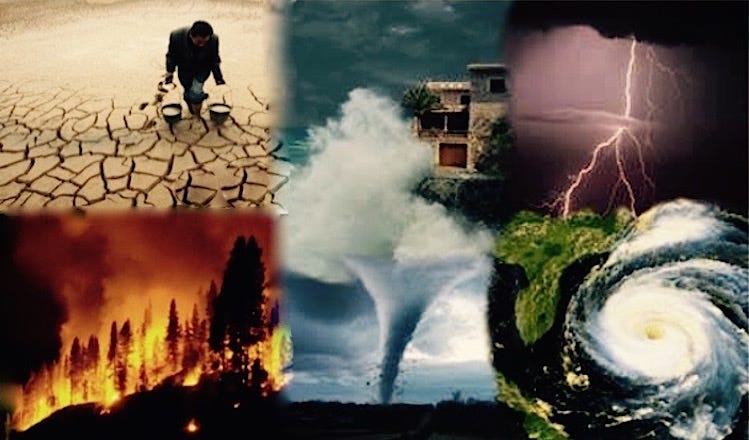
Extreme weather and climate risks have become one of the most serious global challenges of the 21st century. Around the world, communities are experiencing more frequent and intense heatwaves, floods, storms, droughts, and wildfires. These events not only disrupt daily life but also threaten economies, public health, infrastructure, and ecosystems.
Understanding extreme weather and climate risks is essential for building safer and more resilient societies.
Extreme Weather.
Extreme weather refers to unusual, severe, or unseasonal weather events that significantly differ from average patterns. These include:
- Intense hurricanes and cyclones
- Severe flooding
- Prolonged droughts
- Heatwaves
- Heavy snowfall and cold waves
- Wildfires
While extreme weather has always existed, climate change is increasing both the frequency and intensity of many of these events.
The Link Between Climate Change and Extreme Weather.
Climate change is largely driven by rising greenhouse gas emissions from human activities such as burning fossil fuels, deforestation, and industrial production. As global temperatures rise, the atmosphere holds more moisture and energy, which can lead to:
- Stronger storms
- Heavier rainfall
- Longer heatwaves
- Faster glacier melting
- Rising sea levels
Warmer oceans also fuel more powerful tropical storms, increasing the risk of coastal flooding and destruction.
Major Climate Risks Facing the World.
1. Heatwaves and Rising Temperatures
Heatwaves are becoming longer and more intense. Extremely high temperatures can cause dehydration, heatstroke, and increased mortality, especially among elderly populations and vulnerable communities.
2. Flooding and Heavy Rainfall
Heavy rainfall events are increasing in many regions. Urban areas with poor drainage systems are particularly vulnerable to flash floods, causing property damage and displacement.
3. Drought and Water Scarcity
Prolonged droughts affect agriculture, reduce water supplies, and threaten food security. Many regions now face water shortages due to changing rainfall patterns.
4. Wildfires
Hot and dry conditions increase the likelihood of wildfires. These fires destroy forests, wildlife habitats, and homes, while also contributing to air pollution.
5. Sea-Level Rise
Melting glaciers and expanding ocean water due to warming temperatures are causing sea levels to rise. Coastal cities and island nations are at significant risk.
Economic and Social Impacts.
Extreme weather events have serious economic consequences. Damaged infrastructure, disrupted supply chains, and agricultural losses can cost billions of dollars annually. Businesses may face operational disruptions, while governments must spend heavily on disaster response and recovery.
Socially, extreme weather can lead to:
- Population displacement
- Increased poverty
- Health crises
- Food insecurity
- Migration pressures
Vulnerable communities are often the most affected, as they have fewer resources to adapt or recover.
Health Risks and Environmental Consequences.
Extreme weather events impact both physical and mental health. Heatwaves increase cardiovascular risks, while floods can spread waterborne diseases. Poor air quality from wildfires affects respiratory health.
Environmentally, climate risks threaten biodiversity. Ecosystems struggle to adapt to rapid temperature changes, leading to habitat loss and species extinction.
The Importance of Climate Adaptation and Preparedness.
To reduce climate risks, governments and communities must invest in adaptation strategies, including:
- Early warning systems
- Climate-resilient infrastructure
- Sustainable water management
- Reforestation projects
- Renewable energy development
Preparedness plans, disaster response systems, and public awareness campaigns are essential for minimizing damage and protecting lives.
Mitigation: Reducing Future Risks.
Mitigation involves reducing greenhouse gas emissions to slow climate change. Key solutions include:
- Transitioning to renewable energy sources
- Improving energy efficiency
- Promoting sustainable transportation
- Protecting forests
- Encouraging climate-friendly policies
Global cooperation is crucial, as climate change is a shared challenge that crosses borders.
The Future of Climate Risk Management.
As extreme weather events continue to rise, technology and innovation will play a central role. Artificial intelligence, satellite monitoring, and advanced climate modeling improve forecasting accuracy and risk assessment.
Public awareness, responsible reporting, and science-based decision-making will shape a more climate-resilient future.
Leave a Reply