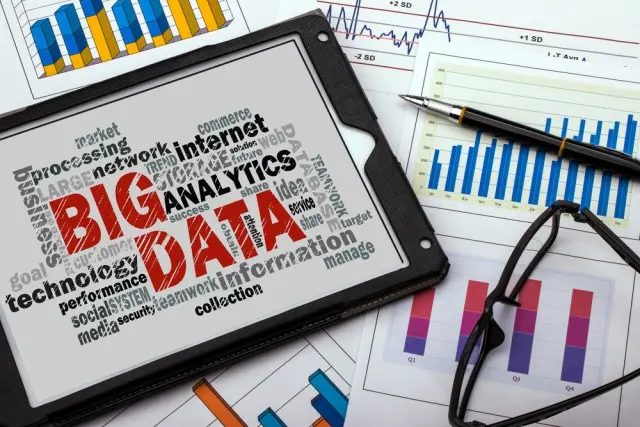
In the modern digital era, journalism is no longer limited to traditional reporting methods. The rise of technology, big data, and digital tools has given birth to a powerful new approach known as Data-Driven Journalism. This method combines investigative reporting with data analysis to present accurate, evidence-based stories that inform, educate, and empower audiences.
Data-driven journalism focuses on collecting, analyzing, and interpreting large amounts of information to uncover trends, patterns, and insights that may not be visible through conventional reporting. By transforming raw numbers into meaningful stories, journalists can provide deeper understanding and greater transparency.
Data-Driven Journalism.
Data-driven journalism, also called data journalism, is a reporting style that uses statistics, databases, and analytical tools as primary sources of information. Instead of relying only on interviews or press releases, journalists examine datasets such as:
- Government records
- Public financial data
- Health statistics
- Climate reports
- Election results
- Economic indicators
By analyzing this data, reporters can reveal hidden facts, identify irregularities, and present evidence-based conclusions.
The Evolution of Journalism in the Digital Age.
The digital revolution has dramatically changed how news is produced and consumed. With access to vast online databases and open-data platforms, journalists now have more information than ever before. Tools like spreadsheets, visualization software, and programming languages allow them to analyze complex data efficiently.
Modern audiences also expect transparency and proof. Data-backed reporting builds trust by showing readers the evidence behind the story. Interactive charts, maps, and infographics make complex topics easier to understand.
Why Data-Driven Journalism Matters.
1. Promotes Transparency
Data reporting exposes corruption, financial mismanagement, and policy failures by relying on verified facts.
2. Improves Accuracy
Using data reduces speculation and ensures that stories are supported by measurable evidence.
3. Enhances Public Understanding
Visual elements like graphs and infographics help readers grasp complicated subjects such as economic growth, climate change, or healthcare statistics.
4. Strengthens Accountability
Governments, corporations, and institutions can be held accountable when journalists analyze and publish factual data.
Tools Used in Data Journalism.
Data-driven journalists use various digital tools, including:
- Spreadsheet software (Excel, Google Sheets)
- Data visualization tools (Tableau, Power BI)
- Programming languages (Python, R)
- Mapping tools (GIS software)
- Statistical analysis platforms
These tools allow journalists to clean, organize, and interpret raw datasets accurately.
Real-World Applications of Data Journalism.
Data-driven journalism is widely used in:
- Election coverage and voter analysis
- COVID-19 tracking dashboards
- Climate change reporting
- Economic and unemployment reports
- Crime statistics analysis
Such reports help citizens make informed decisions based on factual evidence rather than opinions.
Challenges in Data-Driven Reporting.
Despite its advantages, data journalism also faces challenges:
- Access to reliable datasets
- Risk of misinterpreting statistics
- Technical skill requirements
- Data privacy and ethical concerns
Journalists must verify sources, ensure ethical handling of data, and clearly explain their methodology to maintain credibility.
The Future of Data Journalism.
With advancements in artificial intelligence and machine learning, data journalism is expected to become even more powerful. Automated data collection, predictive analytics, and real-time dashboards will enhance investigative reporting.
As audiences demand more transparency and fact-based content, data-driven journalism will continue to shape the future of media. It represents a shift from opinion-based storytelling to evidence-based reporting.
Leave a Reply