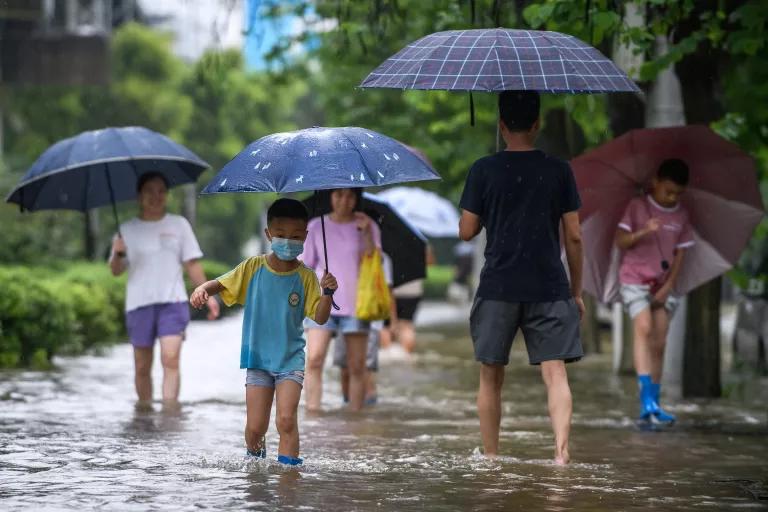
Weather plays a powerful role in shaping our everyday experiences. From the clothes we wear to the way we travel, work, and even feel emotionally, weather conditions influence nearly every aspect of daily life. Whether it is sunshine, rain, heat, or cold, changes in the atmosphere have direct and indirect effects on individuals, communities, and economies around the world.
Weather and Daily Routine.
One of the most immediate ways weather affects life is through daily planning. People check weather forecasts before leaving their homes to decide what to wear, whether to carry an umbrella, or how to prepare for the day. Rainy days may delay outdoor plans, while sunny weather encourages travel, sports, and social activities.
In regions with extreme weather, such as heavy snowfall or intense heatwaves, daily routines may completely change. Schools may close, offices may operate remotely, and transportation schedules may be adjusted.
Impact on Transportation.
Weather significantly influences transportation systems. Fog can reduce visibility on roads and airports, causing delays and accidents. Heavy rain may lead to flooded streets, making driving dangerous. Snow and ice can disrupt public transport systems and airline schedules.
Shipping and maritime travel also depend heavily on weather conditions. Storms at sea can delay cargo deliveries, affecting supply chains and business operations.
Influence on Health and Well-Being.
Weather conditions have a strong connection to human health. Extremely hot temperatures can cause dehydration, heatstroke, and fatigue. Cold weather increases the risk of flu, respiratory illnesses, and joint pain.
Air quality often worsens during certain weather patterns, affecting people with asthma or allergies. Additionally, seasonal changes can impact mental health. For example, reduced sunlight during winter months may lead to mood changes or seasonal depression.
Effects on Agriculture and Food Supply.
Farmers rely heavily on predictable weather patterns. Rainfall, temperature, and sunlight are essential for crop growth. Droughts can destroy harvests, while floods can damage farmland and livestock.
Changes in weather directly affect food prices and availability. When crops fail due to extreme conditions, markets may experience shortages or price increases.
Economic Impact.
Weather conditions influence many industries, including tourism, construction, and energy production. Sunny weather boosts tourism in beach destinations, while snow attracts visitors to ski resorts.
Construction projects may slow down during heavy rainfall or storms. Energy demand also changes depending on temperature, as people use more electricity for heating in winter and cooling in summer.
Social and Lifestyle Changes.
Weather shapes social behavior. People are more likely to participate in outdoor events during pleasant weather. Festivals, sports competitions, and family gatherings often depend on favorable conditions.
In extreme cases, natural disasters such as hurricanes or floods can displace communities, disrupt education, and require emergency response efforts.
Technology and Weather Forecasting.
Modern technology has improved the ability to predict weather accurately. Satellite systems, radar technology, and advanced computer models help meteorologists provide timely warnings. Accurate forecasts allow individuals and governments to prepare for severe conditions and reduce potential risks.
Leave a Reply